
How Much Do You Really Know About Recycled Materials in Drinkware? (Part 9)
There are stories in every cup, and warmth in daily life. Hello everyone, welcome to "Dong Dong's Cup Talk". I wrote about recycled materials in the drinkware industry back in 2024. Though only two years have passed, I’ve realized my understanding of recycled materials at that time was incomplete. Like many people today, I held a misconception: “Any cup or kettle made from recycled materials is unsafe, unhealthy and low-quality, and will harm human health with long-term use.” https://www.umbottle.com/ProductsDetail-VB-10521.htmlWith this biased viewpoint, naturally, the content I wrote back then contained inaccurate understandings. Over these two years, working with more and more buyers, especially those from the European market, I have gained a much more holistic understanding of “recycled materials”.
Now in mainstream European procurement systems, especially among influential brands, drinkware products made with compliant recycled materials are strongly promoted. Brands even include the proportion of recycled content as a core KPI for ESG environmental assessment.
So why is public perception of “recycled materials” completely different from industry standards and international market trends? What is the essential difference between toxic, low-grade recycled scrap and high-quality compliant recycled materials? For mainstream materials used in drinkware including PP, PC, AS, https://www.umbottle.com/ProductsDetail-VB-10521.htmlsilicone and stainless steel, what exactly are the differences in performance, safety and service life between virgin materials and recycled materials? Today, after careful analysis and extensive research, I revisit this topic on recycled materials. If you find what I share helpful, don’t forget to give me a like.
Attention please. Next, I will compare virgin materials and recycled materials for mainstream drinkware materials in various aspects. Those interested should read carefully.
To help you intuitively distinguish premium virgin materials, compliant recycled materials and inferior recycled scrap, I draw on market sampling test data and real factory production cases to break down the core differences between virgin materials and low-grade recycled scrap for seven major materials in the drinkware sector. https://www.umbottle.com/ProductsDetail-VB-10521.htmlAll content is based on real production and testing scenarios with no fictional information.
5. Silicone (Commonly used for drinkware straws, sealing gaskets and cup sleeves)
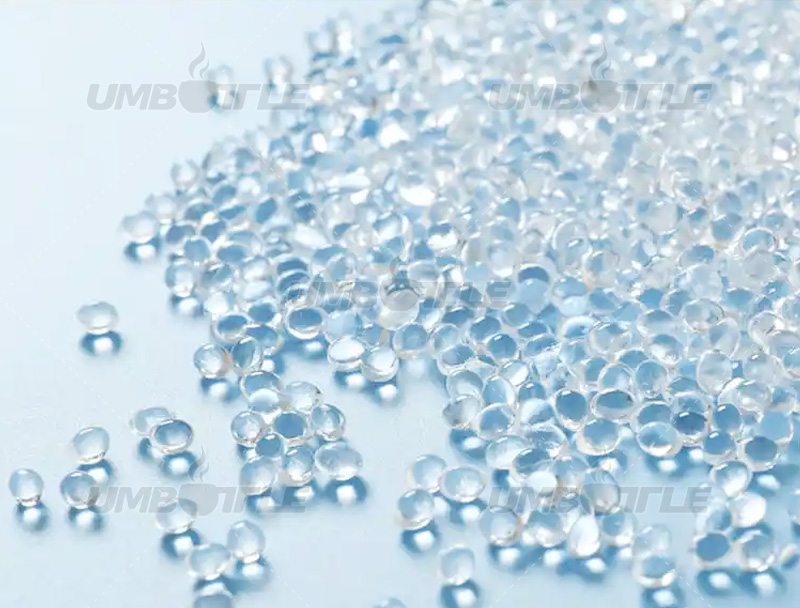
Color difference: Virgin food-grade liquid silicone features pure color, delicate matte finish and uniform transparency. https://www.umbottle.com/ProductsDetail-VB-10521.htmlNatural white variant is soft and clean; colored versions have rich, saturated hues with no discoloration or cloudy patches. Inferior recycled silicone appears dull and greyish with rough surfaces, color blotches and specks, and poor light transmission.
Performance difference: Virgin silicone boasts excellent flexibility and great resilience. It can withstand temperatures above 200°C, is non-toxic and odor-resistant, anti-aging and hydrolysis-resistant. It resists deformation and cracking under repeated bending. Inferior recycled silicone is blended with waste silicone trimmings and industrial silicone scraps. It has very poor flexibility, https://www.umbottle.com/ProductsDetail-VB-10521.htmltends to turn stiff, and shrinks, deforms or becomes sticky under high temperatures.
Durability difference: Virgin silicone accessories can last 1–3 years and resist aging under prolonged hot water exposure and washing. Inferior recycled silicone will turn hard, crack, chalk and mold after roughly 3 months of use, losing sealing performance and functionality.
Hazards and consequences: To cut costs, inferior recycled silicone is mixed with large amounts of low-grade fillers and plasticizers. Harmful substances may migrate when exposed to hot drinking water. https://www.umbottle.com/ProductsDetail-VB-10521.htmlIts surface readily traps bacteria and mold. Long-term use can easily trigger oral and gastrointestinal health issues, posing particular risks to children.
Real case evidence: In a 2025 targeted sampling inspection of silicone straws and sealing rings for children’s drinkware in Linyi, Shandong, 11 out of 15 unbranded, undocumented products were manufactured from mixed low-grade recycled silicone. After prolonged soaking in hot water, these products released excessive harmful plasticizers. Their surface micropores readily harbored mold and bacteria, https://www.umbottle.com/ProductsDetail-VB-10521.htmlwith multiple samples failing total bacterial count tests. Such products are a hidden trigger for oral inflammation and gastrointestinal discomfort in children, and represent one of the most overlooked safety risks in the maternal and infant drinkware sector. (Source: 2025 Shandong Provincial Quality Sampling Report for Maternal & Infant Daily Consumer Goods)
There are stories in the cup, and life has warmth. Choose a good factory to sell good water cups. We provide global OEM services for patented products and provide global OEM services with professional teams and high quality standards. Dongguan Zhan Yi Commodity Technology Co.,Ltd. specializes in high-quality cup and kettle products. We are willing to serve you wholeheartedly.