
Potential Safety Hazards of the Vacuum Insulated Mugs & Food Jars You Buy (Part 1)
Every mug holds a story, every sip warms your life. Hello everyone, welcome back to "Dong Dong's Cup Talk"
Recently, I came across an official notice released by the State Administration for Market Regulation. Thermos initiated a recall covering certain model SK3000 and SK3020 high-vacuum stainless steel food jars manufactured between 2011 and 2023, https://www.umbottle.com/ProductsDetail-VB-10457.htmlwith a total of 3,995,415 units affected. What triggered this massive recall?
These products carry critical safety risks. When perishable food is stored inside for extended periods, internal pressure will force the sealing stopper to pop out violently. Overseas, there have been cases where consumers were struck in the eye by the ejected stopper, resulting in permanent blindness. This is not an isolated incident. Walmart previously recalled 850,000 insulated bottles over the exact same lid ejection defect, which also caused two cases of permanent vision loss. https://www.umbottle.com/ProductsDetail-VB-10457.htmlStanley also issued a recall for its insulated mugs due to flawed locking mechanisms on lids. These incidents sound the alarm for all tableware brands: drinkware is far more than just containers for water—every single detail is tied to user safety.
Drawing on these safety incidents, today I will break down the potential hidden dangers lurking in the insulated cups you purchase. I hope my sharing can help you live a safer, better life. Given the wealth of information to cover, I will split this topic into multiple installments as usual. https://www.umbottle.com/ProductsDetail-VB-10457.htmlIf you find this content helpful, hit the like button. Follow Dongdong’s Mug Talk to get instant updates on all subsequent episodes for full coverage.
1. Substandard Raw Materials & Cost Cutting
Many consumers shop for cups based solely on appearance and price, blindly trusting material labels claimed by merchants without the ability to verify authenticity. https://www.umbottle.com/ProductsDetail-VB-10457.htmlOverlooking core material quality is the easiest way to buy unsafe products.
Glass Drinkware
I have covered many key facts about glass cups in previous articles, yet I will recap them for those who haven’t read past posts. Most people know borosilicate glass boasts outstanding thermal shock resistance and rarely shatters when filled with boiling water. However, https://www.umbottle.com/ProductsDetail-VB-10457.htmlcountless low-cost glass tumblers on the market are made of medium or even low-borosilicate glass. Worse still, a small number of counterfeit products use soda-lime glass without disclosing its poor heat resistance. When boiling water is poured into such cups, drastic temperature swings cause them to crack or explode instantly. News reports of consumers suffering lacerations from broken glass or scald injuries surface every year. Few public records exist of successful consumer claims stemming from such accidents, indicating most buyers lack awareness of self-protection and rights safeguarding.
Plastic Drinkware
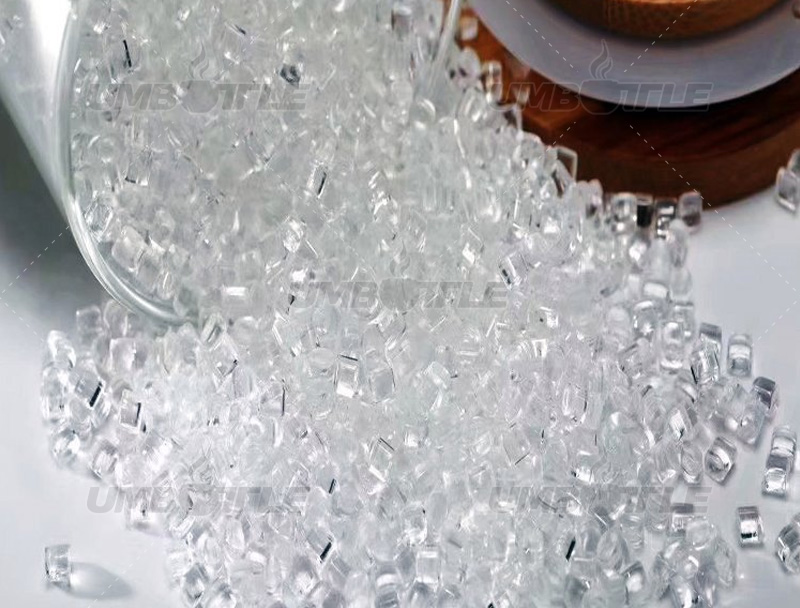
I have thoroughly explained the properties of different plastic materials across multiple articles; readers seeking comprehensive knowledge may check my posts published in early 2026. Qualified food-grade PC and Tritan plastics feature high heat resistance and zero odd odors. However, many unscrupulous manufacturers produce cups from recycled or mixed waste plastic scraps. https://www.umbottle.com/ProductsDetail-VB-10457.htmlThese recycled materials contain toxic substances that leach out when exposed to hot water, inflicting severe long-term harm to human health. Recycled plastic also suffers degraded physical performance, turning rigid plastic parts brittle and prone to cracking. Some cups falsely marketed as “food-grade” use untested raw materials or even industrial-grade plastics, releasing pungent chemical fumes upon contact with hot liquids.
Stainless Steel Drinkware
Stainless steel cups come with the most widespread quality pitfalls. Grade 304 and 316 stainless steel are universally recognized as food-safe materials. Nonetheless, numerous cheap mugs sold online are counterfeited using grade 201 stainless steel or even inferior alloys. These low-grade steels have weak corrosion resistance: when filled with acidic beverages such as fruit juice and carbonated drinks, https://www.umbottle.com/ProductsDetail-VB-10457.htmlheavy metals will leach into liquids, damaging the liver and kidneys with prolonged use. Multiple brands have been penalized by market supervision authorities for using non-compliant stainless steel, having their illegal profits confiscated alongside heavy fines—yet defective products had already reached ordinary consumers long before enforcement action.
There are stories in the cup, and life has warmth. Choose a good factory to sell good water cups. We provide global OEM services for patented products and provide global OEM services with professional teams and high quality standards. Dongguan Zhan Yi Commodity Technology Co.,Ltd. specializes in high-quality cup and kettle products. We are willing to serve you wholeheartedly.