
Spray Coating vs Powder Coating for Water Cups (Part 2)
Every water cup carries a story, every day filled with warmth. Hello everyone and welcome back to "Dong Dong's Cup Talk"
I’ve mentioned before that many original articles I wrote were wrongly flagged as AI-generated online without justification. https://www.umbottle.com/ProductsDetail-VB-10348.htmlRecently, I found my years-old post about cup spray coating had been removed from platform archives with no channel to file an appeal, so I’m rewriting it now to see if it gets taken down again. I’ll take this as a chance to polish my writing skills.
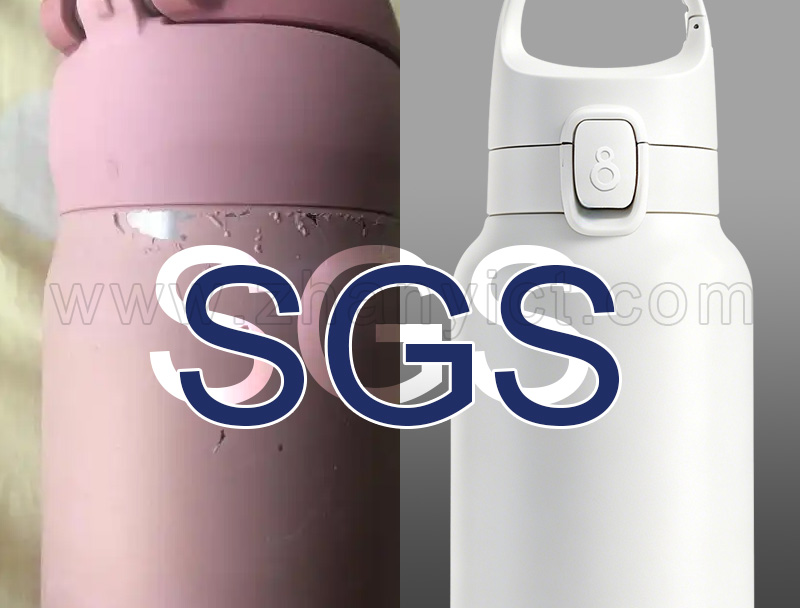
When it comes to spray coating and powder coating on drinkware, preferences vary widely among consumers. Some favor a glossy finish, others a textured look, and many prioritize a smooth, comfortable grip. From a personal preference standpoint, neither finishing process is inherently superior to the other. https://www.umbottle.com/ProductsDetail-VB-10348.htmlStill, numerous industry peers and readers keep asking me: Which option is better between spray coating and powder coating for water cups? Why do some cups peel after prolonged use while others hold up extremely well?
Drawing on my factory-side experience, I’ll break down all the details in this installment. Given the lengthy content, I’ll split the guide into multiple chapters for easy reading. https://www.umbottle.com/ProductsDetail-VB-10348.htmlFollow Dongdong’s Cup Talk if you want instant notifications for upcoming follow-up posts. If you enjoy my content, kindly like and share this article—much appreciated in advance!
Next up: export compliance testing requirements for spray and powder coatings, essential learning material for young industry practitioners. https://www.umbottle.com/ProductsDetail-VB-10348.htmlMaster these specs and they’ll become your professional asset; should my sharing help you secure big export orders, a like would be much welcomed!
I maintain frequent cooperation with SGS (no sponsored promotion intended), so all below specifications align with SGS-certified FDA food contact safety standards for export-grade drinkware. Whether spray or powder coated, https://www.umbottle.com/ProductsDetail-VB-10348.htmlfour core testing categories are enforced with strict pass/fail thresholds: substance migration, heavy metal content, coating adhesion and cosmetic appearance. All benchmark data refers to SGS’s 2025 food contact material testing specifications and FDA Regulation 21 CFR Part 175.
1. Mandatory Universal Test Items (Required for Both Spray & Powder Coatings)
Heavy Metal Migration Test
Four target heavy metals are tested: lead, cadmium, chromium and mercury, with rigid limit values:
Lead ≤0.05mg/kg, Cadmium ≤0.01mg/kg, https://www.umbottle.com/ProductsDetail-VB-10348.htmlHexavalent Chromium ≤0.1mg/kg, Mercury ≤0.01mg/kg.
Any out-of-spec result leads to immediate failure, with stricter enforcement standards for kids’ drinking cups.
Overall Migration Test
Testing simulates long-term contact with plain water, acidic beverages (e.g. fruit juice) and oily food under 40℃ for 10 days. https://www.umbottle.com/ProductsDetail-VB-10348.htmlMaximum allowable overall migration is capped at 10mg/dm², with zero permissible leaching of hazardous substances.
Cross-Cut Adhesion Test (ASTM Standard Tape Test)
1mm×1mm grid cuts are scored onto coatings; 3M adhesive tape is pressed firmly then peeled off in one swift motion. https://www.umbottle.com/ProductsDetail-VB-10348.htmlCoatings pass if detached area accounts for no more than 5% of the tested surface. Powder coating usually achieves zero peeling, while spray coating only permits minor edge chipping at most.
Boiling Resistance Test
Samples are fully submerged in boiling water for 2 hours. Qualified coatings must retain original color with no blistering, peeling or strange odor. https://www.umbottle.com/ProductsDetail-VB-10348.htmlPowder coating almost always passes this test, whereas low-quality spray coating commonly develops blisters.
2. Additional Exclusive Tests for Spray Coating
1. VOC (Volatile Organic Compound) Content: ≤100g/L to eliminate residual solvent odor;
2. Alcohol Rub Resistance: 50 consecutive rubs using 75% isopropyl alcohol, no color fading or substrate exposure permitted per SGS criteria.
3. Additional Exclusive Tests for Powder Coating
1. Cure Degree Test: 30 consecutive acetone rubs, no chalking or powder shedding allowed;
2. Impact Resistance Test: https://www.umbottle.com/ProductsDetail-VB-10348.htmlA 1kg steel ball drops vertically from a height of 50cm; no coating cracking or delamination counts as passing.
There are stories in the cup, and life has warmth. Choose a good factory to sell good water cups. We provide global OEM services for patented products and provide global OEM services with professional teams and high quality standards. Dongguan Zhan Yi Commodity Technology Co.,Ltd. specializes in high-quality cup and kettle products. We are willing to serve you wholeheartedly.