
Practical Guide for Newcomers in the Cup Industry Foreign Trade: 6 Must-Avoid Pitfalls — Part 2
Every cup holds a story, and life is full of warmth. Hello everyone, welcome back to "Dong Dong's Cup Talk"
Graduation season comes around again, and many graduates majoring in International Trade are stepping into their respective industries one after another. Today I’d like to sincerely share some typical problems I’ve seen among foreign trade newcomers in the cup business. In fact, new practitioners encounter far more than the six pitfalls mentioned in the title. https://www.umbottle.com/ProductsDetail-VB-10533.htmlDue to time limits, I’ll cover these for now. If you’re interested, feel free to leave a comment, and I’ll continue sharing more hidden traps for cup industry foreign trade beginners in future episodes.
Have you stepped into any of these pitfalls? Have you made troubles for yourself? Does all of this sound familiar to you?
Never quote blindly if you don’t understand trade terms;
one order mistake can lead to heavy losses.
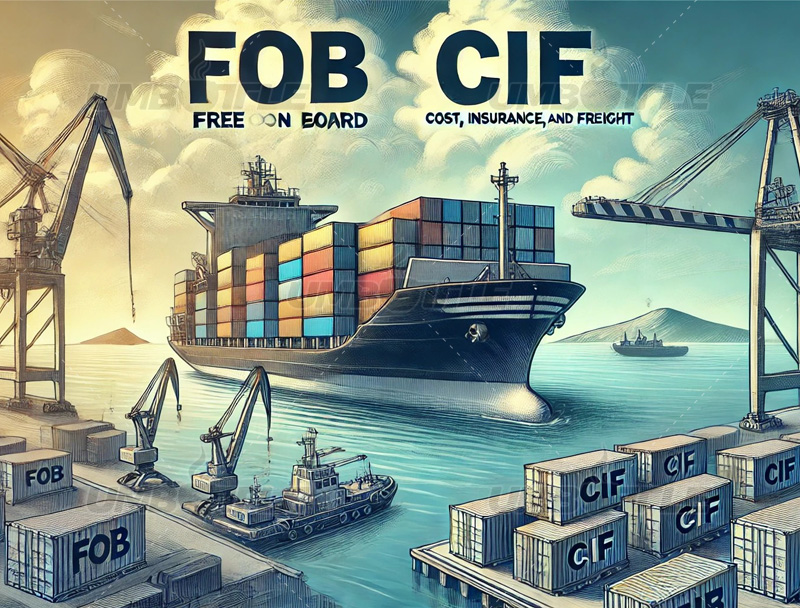
Dongdong’s Tip: If you can’t tell FOB and CIF apart,
a single sentence from the buyer can cost you money!
Solution: Clearly state in black and white on the quotation who bears which costs. https://www.umbottle.com/ProductsDetail-VB-10533.htmlDon’t rely on guesswork, and don’t let pride hold you back.
Newcomers often care too much about saving face, fearing that asking more questions will make the customer back out of the order. In truth, customers decide whether to place an order based on your professionalism — not how many questions you ask.
Pitfall 2: Weak foundation in foreign trade knowledge, confused concepts, and messy order management
Common Situation for Newcomers
Many newcomers switch to cup foreign trade without systematic professional training. They only have a vague understanding of trade terms such as FOB, CIF and EXW, and are unclear about procedures including customs declaration, https://www.umbottle.com/ProductsDetail-VB-10533.htmlcustoms clearance and bill of lading handling. Confused concepts often cause order errors, extra costs, and even lost orders.
Real-Life Lesson
A foreign trade newbie once negotiated a cup order with a Philippine client. The buyer said, “Give me an FOB price and deliver the goods to my vessel.”
Taking it literally, the newbie quoted an FOB Ningbo price, https://www.umbottle.com/ProductsDetail-VB-10533.htmlwhich covered freight from the factory to Ningbo Port.
After the goods were ready, the forwarder charged an extra USD 220 for ocean freight. Only after communicating with the client did the newbie realize the buyer actually wanted CIF terms. The “my vessel” mentioned by the client referred to the vessel at the destination port, https://www.umbottle.com/ProductsDetail-VB-10533.htmlmeaning the seller should cover ocean freight and insurance from Ningbo to the Philippine port.
Due to the confusion between FOB and CIF and lack of confirmation, the newbie had to bear the extra freight alone, losing thousands of dollars on that single order.
Another newcomer mixed up EXW and FOB, thinking both meant “delivery at the factory”. As a result, they did not arrange factory-to-port freight, https://www.umbottle.com/ProductsDetail-VB-10533.htmlcausing the goods to miss the vessel sailing schedule. The delivery was delayed, and the customer cancelled the order directly.
Always remember: foreign trade orders are full of unexpected situations — you just haven’t encountered all the tricky ones yet.
How to Spot Risks
1. When a buyer mentions trade terms in ambiguous wording such as “deliver goods to my location”, they most likely don’t fully understand the terms themselves, https://www.umbottle.com/ProductsDetail-VB-10533.htmland you need to confirm details further.
2. If you are unsure about any trade term or procedure, never guess casually; verify in time to avoid mistakes.
Correct Approach
1. Master core trade terms thoroughly (focus on FOB, CIF, EXW):
- FOB (Free On Board): The seller covers costs from the factory to the port of shipment; the buyer bears ocean freight and insurance.
- CIF (Cost, Insurance and Freight): The seller covers freight and insurance all the way to the destination port.
- EXW (Ex Works): Delivery at the factory; the buyer takes charge of all subsequent costs including pickup, https://www.umbottle.com/ProductsDetail-VB-10533.htmltransportation and customs clearance.
FOB and CIF are the most widely used in the cup industry — make sure you tell them apart clearly.
2. During order negotiations, specify trade terms, delivery location and cost liabilities in writing on quotations and contracts; never rely on verbal agreements.
3. When unfamiliar with procedures like customs declaration or bill of lading verification, https://www.umbottle.com/ProductsDetail-VB-10533.htmlask senior colleagues politely (no one owes you free help) or consult a professional freight forwarder — don’t figure it out blindly on your own.
4. Make a checklist of common foreign trade terms and workflows, keep it on hand for quick reference to avoid confusion.
Stay tuned for Pitfall 3 tomorrow!
There are stories in the cup, life has warmth, use a good cup to enjoy a healthy life. We provide OEM business to more than 100 companies around the world, and produce more than 3 million pieces of various stainless steel/plastic cups and pots annually. Honoring promises, keeping reputation, ensuring quality and quantity, and delivering on time are our service principles and our professional commitment. Dongguan Zhan Yi Commodity Technology Co.,Ltd. welcomes global merchants to conduct on-site factory inspections and in-depth cooperation.