
PC vs PCTG: Showdown in Plastic Water Cup Production (Part 1)
There are stories in every cup, and warmth in everyday life. Hello everyone, welcome to "Dong Dong's Cup Talk"
Summer is the peak sales season for plastic water cups. At this time every year, many customers who are confused about raw materials leave messages to me. Their questions may vary, but they all boil down to material safety. https://www.umbottle.com/ProductsDetail-VB-10505.htmlMany people worry that unsafe plastic cup materials will harm their health. Today I will do an in-depth analysis of the two most easily confused material pairs: PC vs PCTG, and PP vs PPSU.
As someone with years of experience in the water cup industry, I will refer to data from our factory’s professional material engineers, combined with mass production practice, performance test results and real usage scenarios, to break down the core differences between these four materials. https://www.umbottle.com/ProductsDetail-VB-10505.htmlI will analyze them from safety, mechanical properties, temperature resistance, drop resistance and suitable user groups, helping you clearly distinguish these similar-looking materials and choose the right drinking cup.
Round 1: Transparent Material Showdown — PC (Polycarbonate) VS PCTG (Copolyester)
Both PC and PCTG are transparent plastics with similar clarity. They are widely used in sports water cups and portable drinking cups, https://www.umbottle.com/ProductsDetail-VB-10505.htmland are the two most easily confused materials in the industry. Their key differences lie in molecular structure, safety and durability.
1. Basic Material Properties & Tensile Characteristics
Tensile strength directly determines the cup’s resistance to deformation and cracking. Combined with impact strength, it intuitively reflects material toughness:
- PC Material
Tensile strength: 65–70 MPa. It has high rigidity but is hard and brittle, with poor resistance to stress cracking.
Charpy impact strength: 60–70 kJ/m². Impact performance drops sharply at low temperatures, prone to cracking or breaking under force.
Light transmittance: 88–90%. https://www.umbottle.com/ProductsDetail-VB-10505.htmlProne to yellowing after long-term use or sun exposure, greatly reducing texture.
- PCTG Material
Tensile strength: 55–60 MPa. Slightly lower rigidity than PC, but with excellent toughness and far better stress crack resistance.
Charpy impact strength: 70–80 kJ/m². Maintains stable toughness at both room and low temperatures, hard to break.
Light transmittance: 90–92%, close to glass texture. https://www.umbottle.com/ProductsDetail-VB-10505.htmlGreat weather resistance; no yellowing or fogging after long-term use.
2. Temperature Resistance & Usage Limitations
- PC Material
Heat deflection temperature: 120°C. However, it releases BPA (Bisphenol A) when soaked in water above 60°C for 30 minutes.
Cold resistance limit: -20°C, easy to become brittle in low temperature.
Strict usage restrictions: https://www.umbottle.com/ProductsDetail-VB-10505.htmlDo not fill with boiling water or high-temperature drinks; cannot be microwaved or steam sterilized. Only suitable for room-temperature or ice water for temporary use.
- PCTG Material
Long-term heat resistance: ≤96–100°C, can withstand boiling water for a short time.
Cold resistance limit: -40°C, no obvious performance degradation under extreme temperatures.
Safe for warm and hot water; not microwaveable, https://www.umbottle.com/ProductsDetail-VB-10505.htmlsupports regular cleaning and steam sterilization. Ideal for daily commuting, outdoor fitness, children’s daily drinking and many other scenarios。
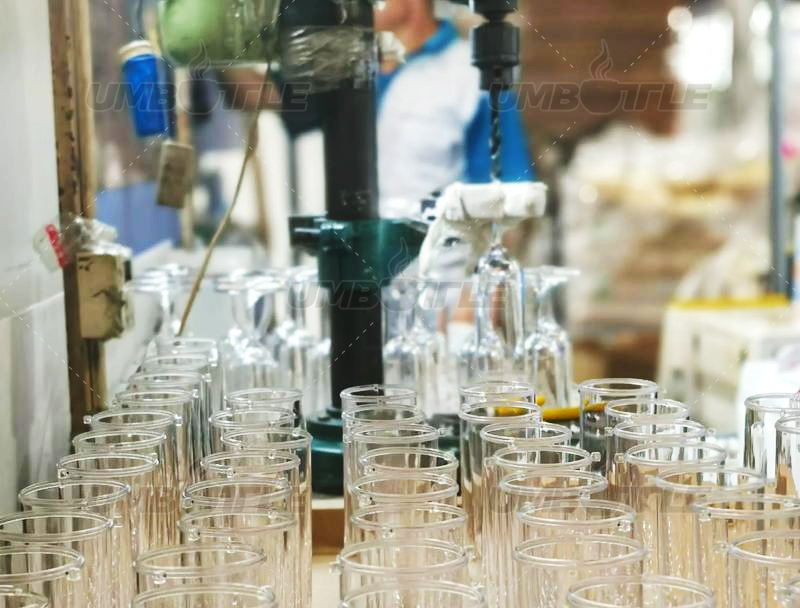
There are stories in the cup, life has warmth, use a good cup to enjoy a healthy life. We provide OEM business to more than 100 companies around the world, and produce more than 3 million pieces of various stainless steel/plastic cups and pots annually. Honoring promises, keeping reputation, ensuring quality and quantity, and delivering on time are our service principles and our professional commitment. Dongguan Zhan Yi Commodity Technology Co.,Ltd. welcomes global merchants to conduct on-site factory inspections and in-depth cooperation.