
Exposing the Hidden Dangers of Unqualified Plastic Cups? (Part 3)
A cup has a story; life has warmth—hello everyone, "Dong Dong's Cup Talk" is here. In previous articles, I’ve shared information about the various plastic materials used to manufacture plastic cups. If you'd like to learn more, feel free to look back at my earlier posts. Today, I want to discuss the potential hazards of unqualified plastic cups, https://www.umbottle.com/ProductsDetail-VB-10332.htmlespecially those designed for children and infants. Regarding materials, I will focus solely on plastic cups made from PP, PPSU, and TRITAN, as well as the issues associated with unqualified plastic cups. Given the extensive content, I'll break it down into several separate posts to share with you all.
In my previous shares, much of the content was divided into multiple parts. Some eager readers may have only looked at one post about the issues they were concerned with. If you wish to gain a comprehensive understanding, https://www.umbottle.com/ProductsDetail-VB-10332.htmlplease browse through the posts in order. I’ve tried to consider each topic as thoroughly as possible to address your concerns.
III. Recycled Plastic Materials: The Source of Hazards
Definition and Production:
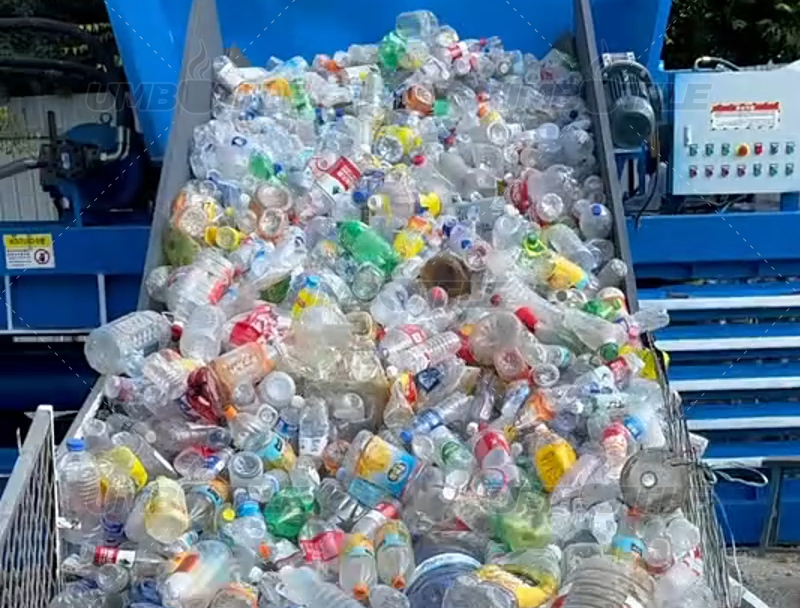
Recycled plastic materials, also known as reclaimed or reprocessed plastics, refer to plastic raw materials obtained by processing used plastic products, production scraps, or defective items through procedures such as crushing, cleaning, https://www.umbottle.com/ProductsDetail-VB-10332.htmland melting for pelletization. Their sources can be complex, potentially including industrial waste, discarded electronic product casings, or even medical waste.
Hazards:
1. Unclear Sources and Severe Contamination:
Recycled plastics may contain various unknown additives and contaminants, such as pigments, heavy metals (e.g., lead, cadmium), plasticizers, https://www.umbottle.com/ProductsDetail-VB-10332.htmland flame retardants. During the recycling and processing stages, it is challenging to completely remove these impurities.
2. Degraded Performance and Compromised Safety:
After multiple rounds of thermal processing, the molecular chains of the plastic can break down and degrade, leading to a decline in material properties, such as increased brittleness and susceptibility to cracking. https://www.umbottle.com/ProductsDetail-VB-10332.htmlMore critically, when these materials come into contact with hot water or acidic beverages, unknown harmful substances are highly likely to leach out.
3. Supporting Data:
According to inspection reports from certain local quality supervision departments, food contact products manufactured from unqualified recycled materials have been found to exceed the standard limits for indicators such as evaporation residue (n-hexane) at rates exceeding 15%. https://www.umbottle.com/ProductsDetail-VB-10332.htmlThis means a significant amount of fat-soluble harmful substances could potentially be ingested into the body.
There are stories in the cup, and life has warmth. Choose a good factory to sell good water cups. We provide global OEM services for patented products and provide global OEM services with professional teams and high quality standards. Dongguan Zhan Yi Commodity Technology Co.,Ltd. specializes in high-quality cup and kettle products. We are willing to serve you wholeheartedly.