
Exposing the Hidden Dangers of Unqualified Plastic Cups? (Part 2)
A cup has a story; life has warmth—hello everyone, "Dong Dong's Cup Talk" is here. In previous articles, I’ve shared information about the various plastic materials used to manufacture plastic cups. If you'd like to learn more, feel free to look back at my earlier posts. Today, I want to discuss the potential hazards of unqualified plastic cups, especially those designed for children and infants. Regarding materials, https://www.umbottle.com/ProductsDetail-VB-10424.htmlI will focus solely on plastic cups made from PP, PPSU, and TRITAN, as well as the issues associated with unqualified plastic cups. Given the extensive content, I'll break it down into several separate posts to share with you all.
In my previous shares, much of the content was divided into multiple parts. Some eager readers may have only looked at one post about the issues they were concerned with. https://www.umbottle.com/ProductsDetail-VB-10424.htmlIf you wish to gain a comprehensive understanding, please browse through the posts in order. I’ve tried to consider each topic as thoroughly as possible to address your concerns.
II. Mainstream Plastic Cup Materials in Today's Market and Their Characteristics
Currently, the materials used for plastic cups in the market have evolved toward diversification and safety. Common ones include:
Polypropylene (PP):
- Characteristics: Non-toxic, odorless, and low density, making it one of the lightest general-purpose plastics available. https://www.umbottle.com/ProductsDetail-VB-10424.htmlIt has good heat resistance, typically withstanding temperatures above 100°C, and is microwave-safe. It is low-cost and widely used.
- Limitations: Generally, its transparency is inferior to that of PC and Tritan. Its hardness is relatively low, and it may develop scratches after long-term use and repeated washing.
Tritan™ (Copolyester):
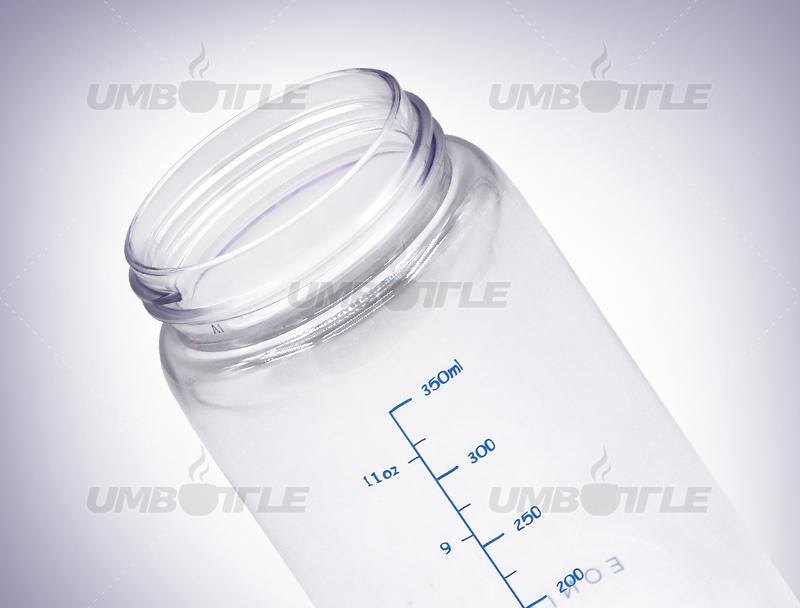
- Characteristics: An emerging high-performance polymer. It is BPA-free, offers extremely high transparency (close to glass), and has excellent impact resistance, making it durable and drop-resistant. https://www.umbottle.com/ProductsDetail-VB-10424.htmlIt also boasts outstanding chemical and hydrolysis resistance and is less likely to retain odors. Its heat resistance typically ranges from 94°C to 109°C, making it suitable for daily water and tea consumption.
- Applications: Widely used in sports bottles, children’s cups, and high-end daily utensils.
Polyphenylsulfone (PPSU):
- Characteristics: A top-tier safety plastic material, particularly suitable for infant and toddler products. It has a faint golden-yellow hue. It is BPA-free and offers exceptional hydrolysis and chemical stability. https://www.umbottle.com/ProductsDetail-VB-10424.htmlWith an extremely high heat resistance of up to 180°C or more, it can withstand repeated high-temperature steam sterilization and boiling without deforming or releasing harmful substances. It is also highly hard, wear-resistant, and scratch-resistant.
- Applications: Primarily used in high-end infant bottles, cups, and medical equipment.
Other Materials:
- Such as TUP (thermoplastic polyurethane, commonly used for straws) and silicone (often used for lids and spouts), among others.
There are stories in the cup, and life has warmth. Use the right cup and choose the right factory. We have dozens of patented cup and pot products and provide OEM services to the world. We have dozens of professional engineers who provide cup and pot product development services to the world. We have multiple complete current cup and pot product production lines to provide OEM services to the world. Dongguan Zhan Yi Commodity Technology Co.,Ltd. attaches great importance to contracts and quality. We welcome global merchants to conduct on-site factory inspections and in-depth cooperation.