
Beware of “Poison” from the Mouth: An Analysis of Risks from Substandard Cups (Part 1)
There's a story in every cup, and warmth in everyday life. Hello everyone, "Dong Dong's Cup Talk" is here. As people increasingly pursue material comforts, convenience, and health, cups have evolved from optional accessories to indispensable items in daily life and work. However, some consumers are overly focused on cost-effectiveness, believing that cheaper means "better value." Unbeknownst to them, https://www.umbottle.com/ProductsDetail-VB-10500.htmlunscrupulous merchants exploit this mindset by packaging and marketing substandard cups, which often suffer from various issues—ranging from poor craftsmanship to material safety hazards.
Today, as a seasoned professional with years of experience in the cup industry, I’ll break down the potential risks of using substandard cups. Given my limited expertise, I’ve conducted extensive research to prepare this content. https://www.umbottle.com/ProductsDetail-VB-10500.htmlIf there are any inaccuracies or unclear explanations, I welcome your feedback. Due to the breadth of the topic, I’ll categorize the information by material and share it in separate installments.
Cups are our daily companions for hydration, and the safety of their materials directly impacts our health. The vast array of cup products on the market, https://www.umbottle.com/ProductsDetail-VB-10500.htmlif flawed in production standards, material use, or craftsmanship, can become "health bombs" that slowly release harmful substances. I’ll strive to systematically dissect the hidden dangers of various substandard cups.
###1. Plastic Cups: The "Invisible Killers" in the Material Maze
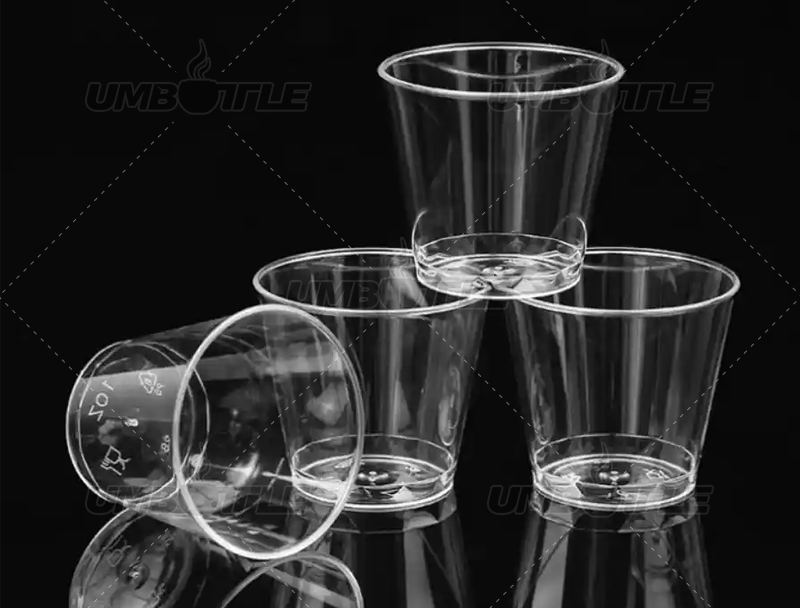
Plastic cups are lightweight and durable, https://www.umbottle.com/ProductsDetail-VB-10500.htmlbut their material safety is the most complex.
Types of Non-Compliance:
-Mislabeling/Misuse of Materials:
Using non-food-grade plastics, such as recycled materials ("reprocessed plastic"), to manufacture cups. https://www.umbottle.com/ProductsDetail-VB-10500.htmlThe most common example is substituting PC (polycarbonate) for BPA-free materials like Tritan, PP (polypropylene), or PPSU.
-Exaggerated Claims:
Advertising features like "rich in trace elements" or "health-promoting magnetization," https://www.umbottle.com/ProductsDetail-VB-10500.htmlwhich may involve adding chemically untested substances without safety evaluations.
Core Harmful Substances and Health Impacts:
-Bisphenol A (BPA):
Primarily found in certain plastics like PC, https://www.umbottle.com/ProductsDetail-VB-10500.htmlBPA is an environmental hormone that disrupts the human endocrine system.
-Short-term effects: May affect metabolism and contribute to obesity.
-Long-term effects: Increases risks of reproductive system issues such as early puberty in children, infertility, breast cancer, and prostate cancer. It is also linked to abnormal nervous system development and cardiovascular diseases.
-Phthalates (Plasticizers):
Commonly used to make plastics more flexible, these are also endocrine disruptors. Such materials are often found in disposable cups and even in certain plastic-based fabrics for clothing.
-Impacts: Interfere with normal development in children, https://www.umbottle.com/ProductsDetail-VB-10500.htmlcontribute to feminization in boys, damage the liver and kidneys, and pose carcinogenic risks.
-Heavy Metals (Lead, Cadmium, Mercury, etc.):
Frequently present in products made with low-quality colorants or recycled materials.
-Impacts: Accumulate in the body, damaging the nervous system, https://www.umbottle.com/ProductsDetail-VB-10500.htmlhematopoietic functions, kidneys, and bones. They can cause irreversible harm to brain development in children.
-Volatile Organic Compounds and Others:
Poor-quality plastics may release other unknown organic compounds, leading to comprehensive chemical damage to the human body.
Production Standards and Process Requirements:
-Standards:
Must comply with national standards for food contact materials (e.g., China’s GB 4806.6-2016).
-Process Requirements:
Pure, food-grade virgin materials should be used, avoiding recycled plastics. https://www.umbottle.com/ProductsDetail-VB-10500.htmlColorants must be food-grade. For cups intended for infants and young children, requirements are even stricter (e.g., specific provisions in GB 4806.6-2016 for infant use).
There are stories in the cup, and life has warmth. Use the right cup and choose the right factory. We have dozens of patented cup and pot products and provide OEM services to the world. We have dozens of professional engineers who provide cup and pot product development services to the world. We have multiple complete current cup and pot product production lines to provide OEM services to the world. Dongguan Zhan Yi Commodity Technology Co.,Ltd. attaches great importance to contracts and quality. We welcome global merchants to conduct on-site factory inspections and in-depth cooperation.