
Unveiling the Facts About Food-Grade Plastic Materials (Part I)
Every cup has a story, and life has its warmth. Hello everyone, "Dong Dong's Cup Talk" is here. Recently, our editor came across discussions on official media about the health and food safety concerns related to plastic materials used in disposable plastic meal boxes and cups. So, the editor thought, why not take this opportunity to analyze all the food-grade plastic materials we use in our daily production at the factory? https://www.umbottle.com/ProductsDetail-VB-10332.htmlHowever, to ensure everyone trusts that this content isn't fabricated, we've invited Engineer Li, who has years of experience working at an internationally renowned quality inspection agency, to share insights. Most of the international safety inspections for the various plastic products our factory produces are carried out by Engineer Li's company.
Hello everyone, I'm Engineer Li, though most people just call me Li in daily life. I've been working in plastic material quality inspection for over fifteen years. My day-to-day job involves dealing with various plastic materials used to produce products that come into contact with food, such as baby bottles, lunch boxes, cups, and disposable utensils. https://www.umbottle.com/ProductsDetail-VB-10332.htmlAs frontline inspectors, we analyze these products inside and out. At the same time, I'm also a mother. Because I work with plastics every day, I am extra cautious when selecting daily items for my child and family. Today, I'd like to take this opportunity to talk in-depth about the plastic products we use every day.
I. Unveiling the "Family" of Common Plastic Materials
Plastics may look similar at first glance, but some are sensitive to heat, some to oil, some are durable, and some are quite delicate.
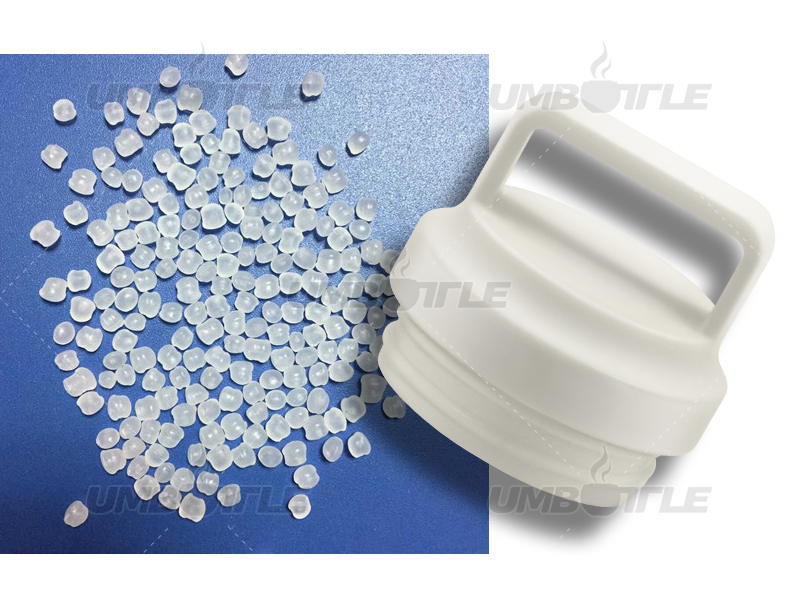
PP (Polypropylene) – The "All-Rounder on the Dining Table"
- Characteristics: Good heat resistance, non-toxic, https://www.umbottle.com/ProductsDetail-VB-10332.htmland odorless. It is widely recognized as a safe, food-grade material.
- Temperature Tolerance: Approximately -20°C to 110°C. It can be heated in a microwave (it's advisable to remove the lid), but it is not suitable for storing hot, oily foods for extended periods.
- Drawbacks: Moderate transparency, prone to aging, and scratches may develop after repeated use, making it easier for dirt to accumulate. Additionally, it should be stored in a well-ventilated, dry place. Avoid damp and dark areas, as moisture can cause the material to absorb dust and other substances from the air, leading to mold growth.
- Commonly Found In: Microwave-safe lunch boxes, yogurt cups, storage containers, and baby bottle bodies.
There are stories in the cup, and life has warmth. Choose a good factory to sell good water cups. We provide global OEM services for patented products and provide global OEM services with professional teams and high quality standards. Dongguan Zhan Yi Commodity Technology Co.,Ltd. specializes in high-quality cup and kettle products. We are willing to serve you wholeheartedly.